I’m sorry that I didn’t get to post on my blog in September or October. September is a big birthday month for our family and I was trying to work on helping my Mom get used to how to get to a senior community center a few times a week. That month just seemed busy, but not as stressful as October. I didn’t see it coming, but an outpatient procedure that my Dad was expected to come home from the same day, turned into a several day hospital stay at the beginning of the month followed by some falls. I am the primary care person other than my Mom who stays with him at their house. My Dad has not been able to get back to his former baseline prior to October. So, I have had to help my parents keep up with appointments, medications, and household necessities. In addition, an overall concern for the well being of both of my parents has had me mentally and emotionally preoccupied ever since the beginning of October.
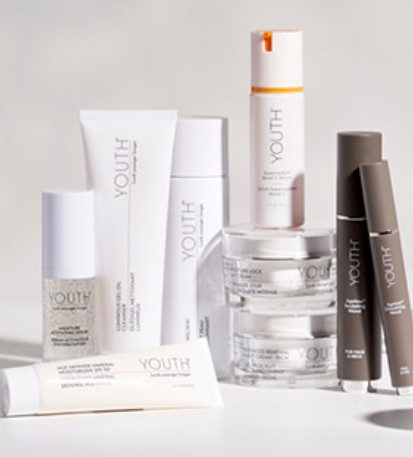
At the same time, my concern for promoting healthy living for myself, my family, and as many other people as I am able to encourage, has continued to grow as a passion of mine, and especially as I see my parents age (and they did do certain things over the years to try to protect their health). In particular, the poisons (commonly called toxins today) that we are regularly exposed to have been heavily on my mind. I continue to learn more about all the places that they are lurking. I have recently learned that conventional liquid dish washing detergent frequently contains hormone disruptors (Dawn is the one that I originally heard about and the one that my Mom still had in her house until a few weeks ago, but it isn’t the only one.) I also have been looking more at body sprays and car “air fresheners” and the toxic chemical fragrances that are also present in these types of products. I have learned about a healthy living app that the EWG has available to help learn more about the toxicity of different ingredients in these types of products. I knew that even though Shaklee has been mindful of ingredients and fragrances all through the years because Dr Shaklee started with the mission to create products that would not harm a cell, Shaklee has been submitting many of their personal care products to the EWG so that they can be verified by the EWG as another layer of assurance to consumers. It is a slow, involved process, but one by one Shaklee has been submitting them and getting the verification for their Youth skincare products.
I recently went on the EWG’s website and got their guide to Endocrine Disruptors. According to the guide, there are 8 hormone altering chemicals/category of chemicals that can not only interfere with our hormones (affecting fertility and birth outcomes), but they can also damage our nervous system, cause cancer as well as harm our health in other ways. Pesticides are the first category of hormone disruptors listed. To avoid them, the guide recommends eating organic as much as possible. I do try to do this as much as possible, but regardless, I personally use Basic H2 all purpose spray (1/4 t-1/2 t to 16 oz of water) on my fruits and vegetables to wash off oil based sprays. Even organic fruits and vegetable can have oil based sprays. Because I mop with Basic H2, to dispose of my mop water, I go outside and water a plant with my dirty mop water.
The second type of chemicals that can change hormone production are Phthalates. These can also cause issues with the respiratory system, the liver, the kidneys, and just normal growth and development. They recommend vacuuming frequently with a HEPA filter to lower exposure. They also recommend staying away from vinyl flooring, flexible vinyl, PVC3, as well as “fragrance” which frequently is a way that companies hide PHathalates and thousands of undisclosed chemicals on their product label.
The third type of hormone disrupting chemicals are Parabens which can harm fertility and reproductive organs, affect birth outcomes, as well as increase the risk for cancer. Avoid personal care or cleaners which include parabens such as: propylparaben and butylparaben.
The fourth hormone disrupting chemical is Perchlorate. It is used in many things (rocket propellants, munitions, fireworks, airbags, matches, and signal flares,) so it eventually ends up in soil and water. It can disrupt the thyroid system and lower thyroid function. There are some water filters that can remove it from drinking water, so it is advised to look into a water filter that will remove it.
The fifth type of hormone disrupting toxins are heavy metals. They are used in many different personal care and cosmetic products like lipstick, whitening toothpaste, eyeliner, nail color. Some are added intentionally (on the label) and some are contaminants since they are used for many industrial uses and get into food and water supplies. Some heavy metals also are present naturally in the environment. These can harm the brain, kidneys, and unborn babies. They can also disrupt metabolism and contribute to obesity (we have hormones that manage these.) Some common foods listed that can frequently contain heavy metals are rice, some types of fish, baby food, and apple juice.
The sixth type of hormone disruptors are PFAS. These are used to make things resist heat, oil, stains, grease and water. It is also used in firefighting foam. These have been shown to suppress hormones, lower fertility, cause birth defects, cause other problems with reproduction, as well as cause problems for the liver and with development. PFAS can also cause trouble with high cholesterol, obesity, development, cancer and reducing vaccine effectiveness. To avoid these, the guide recommends staying away from treatment to fabrics (clothes, bedding, curtains) used to avoid stains or water. They also recommend staying away from nonstick utensils, cookware, and other kitchen objects. Instead they recommend using cast iron, stainless steel, glass and wood. They also recommend using personal care, cosmetics, and cleaning products that don’t contain PFAS and they recommend checking if your local water supply contains them and if it does, they recommend getting an appropriate water filter that removes them.
The seventh type of hormone disruptors are BPA and BPA alternatives (BPA stands for Bisphenol A). These are used in canned foods and can get into the food. They can also be found in thermal paper that is used for receipts, sport water bottles from before 2012, baby bottles, sippy cups from before 2011, and pacifiers. These can not only cause infertility, but can cause lerning and behavioral problems, brain, nervous system, and heart abnormalities, diabetes, obesity, changes to DNA, cancer and other serious problems. They recommend eating fresh food instead of canned food. They suggest avoiding plasitc wrap. They say to never heat food in a microwave using plastic containers. They recommend glass containers in the microwave and for storage, they recommend stainless steel and glass containers. They specifically mention avoiding shatterproof plastic, PC7. They recommend avoiding “take out” containers for the same reason. They also say to decline receipts because most use BPA thermal paper. In addition, they recommend getting water filtration that filters BPA.
The eighth and final hormone disruptor is Oxybenzone. It is used in Ultraviolet (UV) filters/sunscreens and many products that have SPF (Sunscreen Protection Factor) to protect from sunburn and skin damage effects from too much sun exposure. Oxybenzone is absorbed into the body with one use and can cause even more problems when reapplied. It interferes with the endocrine (hormone) system at a cellular level and some studies show an association between exposure to oxybenzone during pregnancy and birth outcomes, birth weight. It is also associated with an increase in risk for breast cancer and endometriosis in adults who are exposed to it. They stress that sunscreens should be safe for everyday use and currently there are only 2 such sunscreen ingredients which qualify for safe daily usage: zinc oxide and titanium dioxide. EWG’s best scoring sunscreens use these ingredients. They say to avoid any sunscreen with an active ingredient of oxybenzone. I know that Shaklee’s Youth and Shield SPF products including their day moisturizer and BB creams are EWG Verified and use only zinc oxide or titanium dioxide.
I know this is a lot of information to “digest” but it is definitely food for thought. I’m just really grateful that God helped me find Shaklee and that I had the good experience that I had, which allowed me to start using all of Shaklee’s categories of products. This allowed me to cut out so much toxic exposure over the last 16 years without me really even knowing all the above details. And if you notice, Shaklee is not really into fads or creating “extra” products just to have extra products to sell. Look at the liquid laundry concentrate, it doubles as a “spotter”. They could package it in a different bottle and sell it as a dedicated “spotter” but they don’t. And another example is that I just learned from a third generation Shaklee user “how she clean toilets” the Shaklee way….or at least the way that some Shaklee users have come to clean their toilets. It is not on the website, “officially” there is no separate Shaklee “toilet cleaning” product… and yet following the conventional approach, I have used Basic G (their germicide) full strength in my toilet water for years to clean my toilets and it has worked fine and I will probably still use the spray disinfectant Basic G mixture to disinfect my toilets as needed. However, Basic G is a disinfectant only, not a cleaner, so to clean my toilets, now I will use the new way that I just learned from my Shaklee friend, using 1/2 Tbsp Nature Bright (Shaklee’s enzyme based non bleach whitener for laundry) and 10 drops of Basic H2 in the bowl and the Degreaser mixture of Basic H2 Spray for overall cleaning the outside. I really liked it. Scour Off is my “go to” for calcium build up from hard water deposits. The combination really made my toilets sparkle.
I’m going to finish with experience # 22 from a book I have called: Healthy Women compiled by Betsy McMahan and Ginny Vaughn. It relates to Shaklee’s personal care and getting rid of toxic personal care products. Kari Alexande shared about her eczema experience:
“I’ve battled eczema all my life. When a horrible, itchy, blotchy rash appeared on my neck, I increased my supplements, used Enfuselle (Shaklee’s precursor to Youth) and drank 3 Soy Protein shakes a day but it continued. After 8 weeks, I finally turned to Hydrocortisone. At the same time, I started using ProSante Shampoo and Conditioner. A couple days and the rash was gone. The Hydrocortisone helped, right? Wrong! When I ran out of ProSante I decided to use the old shampoo. In a couple hours, my neck was inflamed, red, blotchy and very itchy. I finally knew what caused that awful rash. Before Shaklee, I would have run to my doctor for a strong steroid with side effects. I encourage everyone, especially those with skin problems, to use nothing by Shaklee products.”
I’m trying to streamline things as best as I can, so if you are on Facebook, please follow my LivingNourishedLives page to keep up with specials as well as some other posts I might do about health topics. Otherwise, you can find the current specials at this website link. For learning more about tips, “health hacks”, and how I use Shaklee, please subscribe to my LivingNourishedLives YouTube channel.
 Living Nourished Lives
Leave a comment